DISTRIBUTED VIDEO WALL CONTROL FOR MULTI-SCREEN PROJECTS
A project-focused architecture for routing multiple sources across video-wall displays through encoders, a Gigabit network, decoders and a central control layer. It is not a claim of compatibility with any third-party platform; interfaces, network design and acceptance criteria require project validation.
CUSTOMER PAIN POINTS
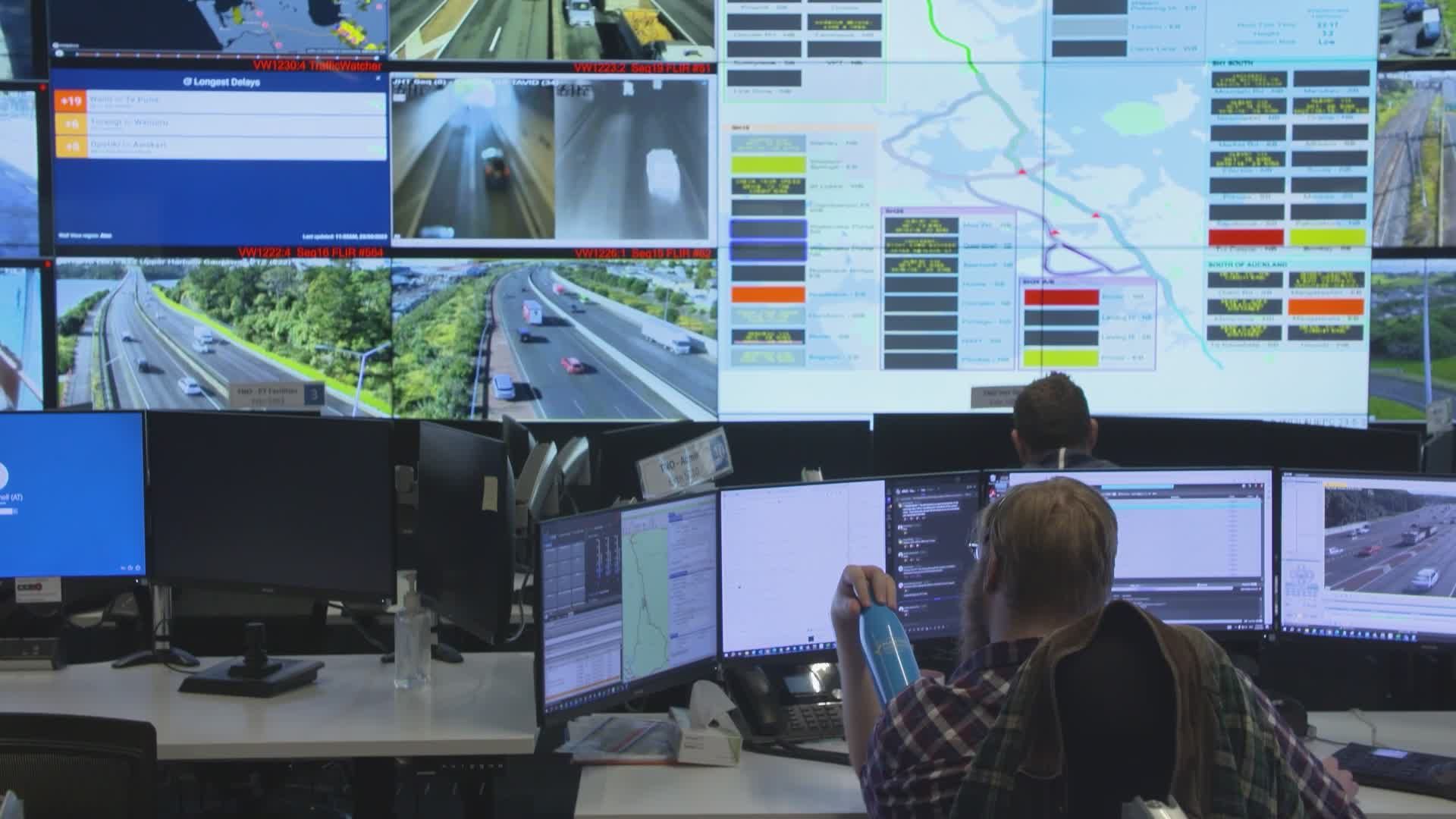
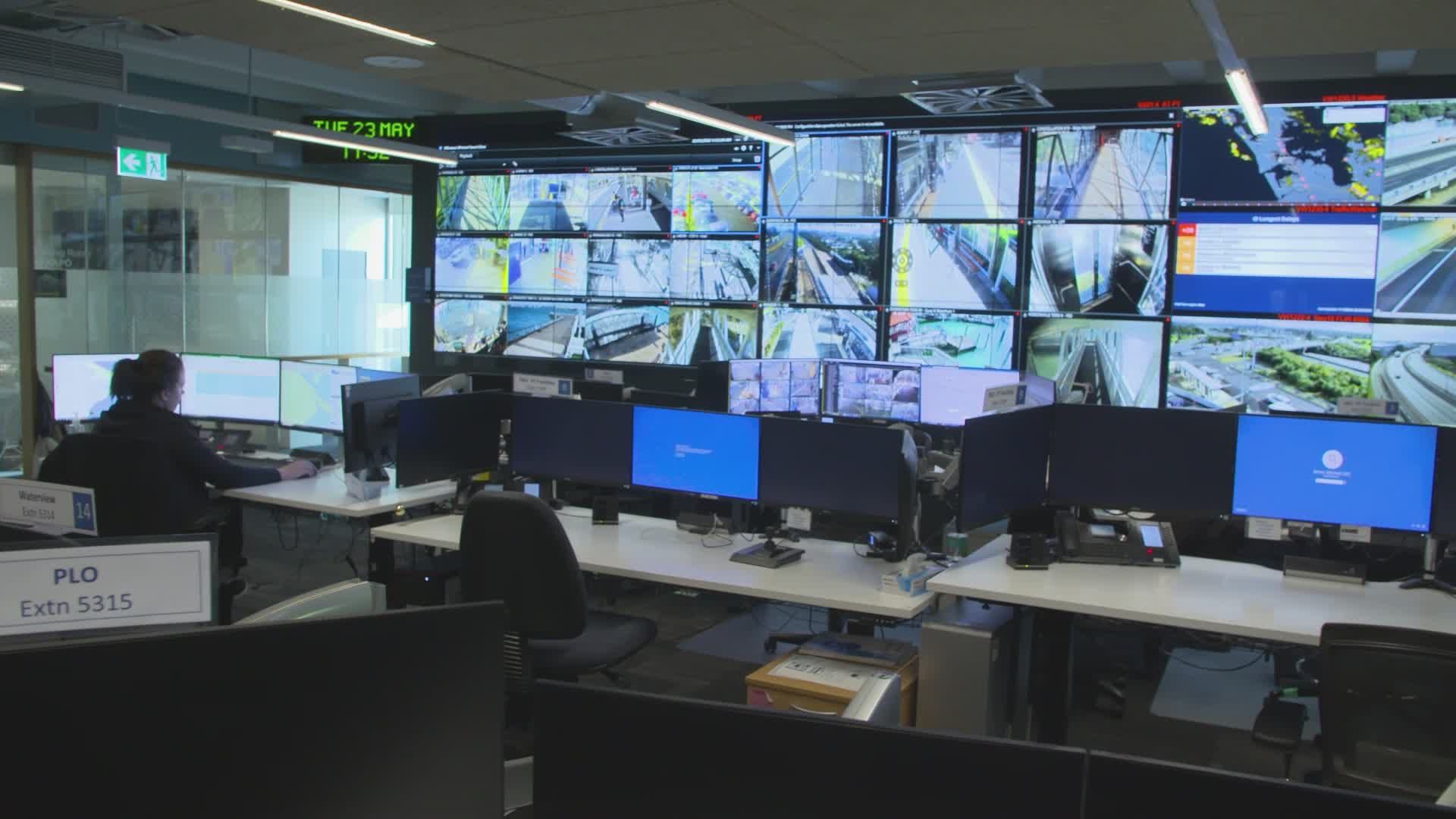
- Traditional PC-and-HDMI distribution becomes difficult to extend when sources, operators and screens are spread across a project.
- Layouts, source routing and display status can be hard to coordinate when each screen is handled separately.
- Remote access, permissions and network resilience need defined responsibility before deployment.
CUSTOMER REQUIREMENTS
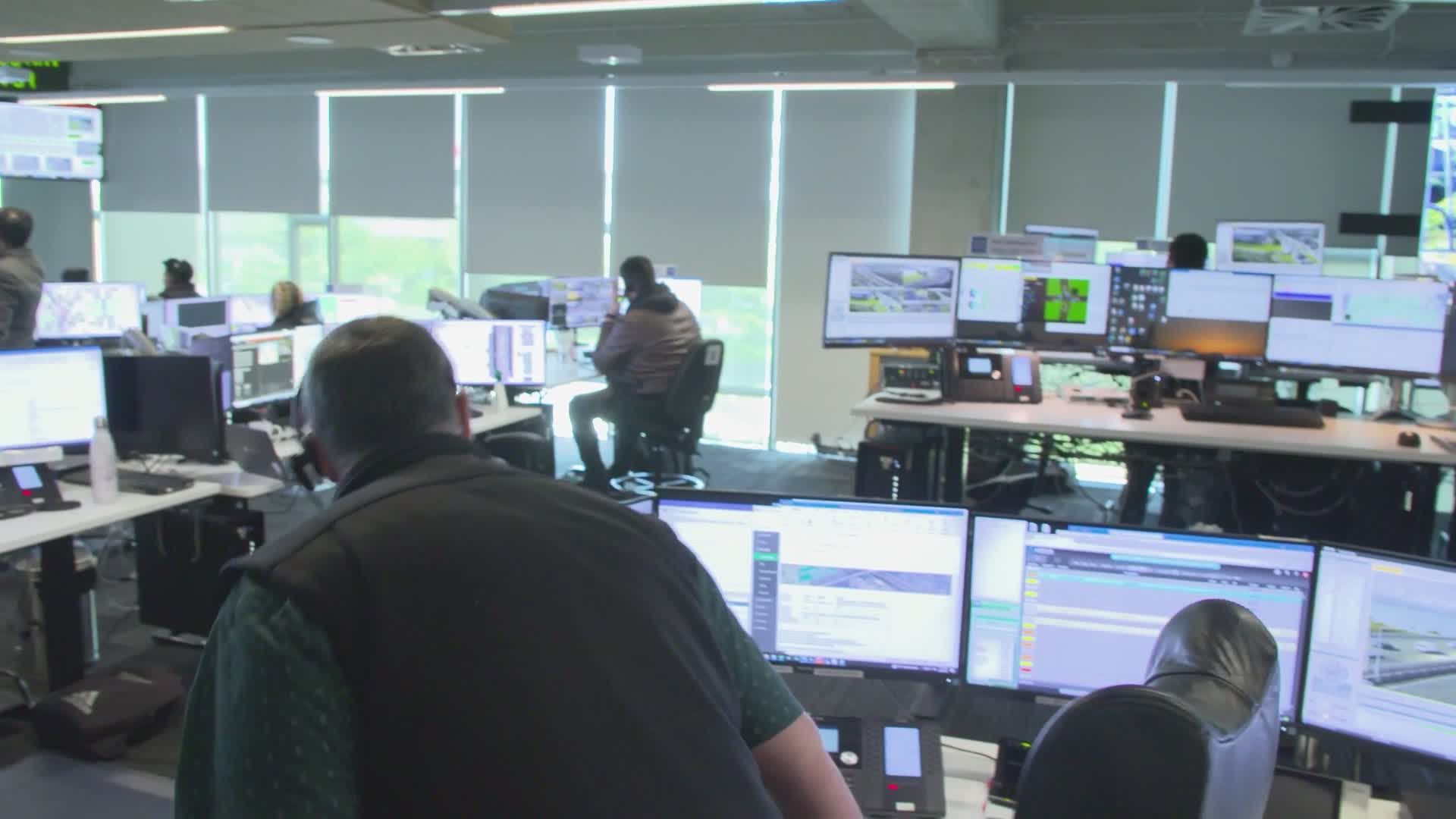
- Source inventory, required input/output formats and the intended display layout.
- Network topology, switch capacity, cable/fiber route, power, rack space and site access.
- Control workflow, operator permissions, remote-access policy, software responsibilities and acceptance criteria.
UWYES RECOMMENDATION
- A distributed architecture can connect approved source inputs to encoder nodes, route signals over a planned Gigabit network and deliver them to decoder nodes at display zones.
- A central control layer can be evaluated for source selection, layouts, presets, multi-operator workflows and monitored status within the confirmed project scope.
- Technical validation defines resolution, refresh rate, network topology, cable paths, mounting, control permissions, commissioning and acceptance testing before implementation.
Commercial Displays · Video Wall Displays · Networked AV Control Architecture

EXPECTED OUTCOMES & VALIDATION
- A documented architecture for multi-screen planning instead of an assumption that a conventional HDMI chain will scale.
- Clearer boundaries between display supply, network design, control software, installation and third-party integration.
- A practical basis for a pilot, acceptance checklist and operator handover.
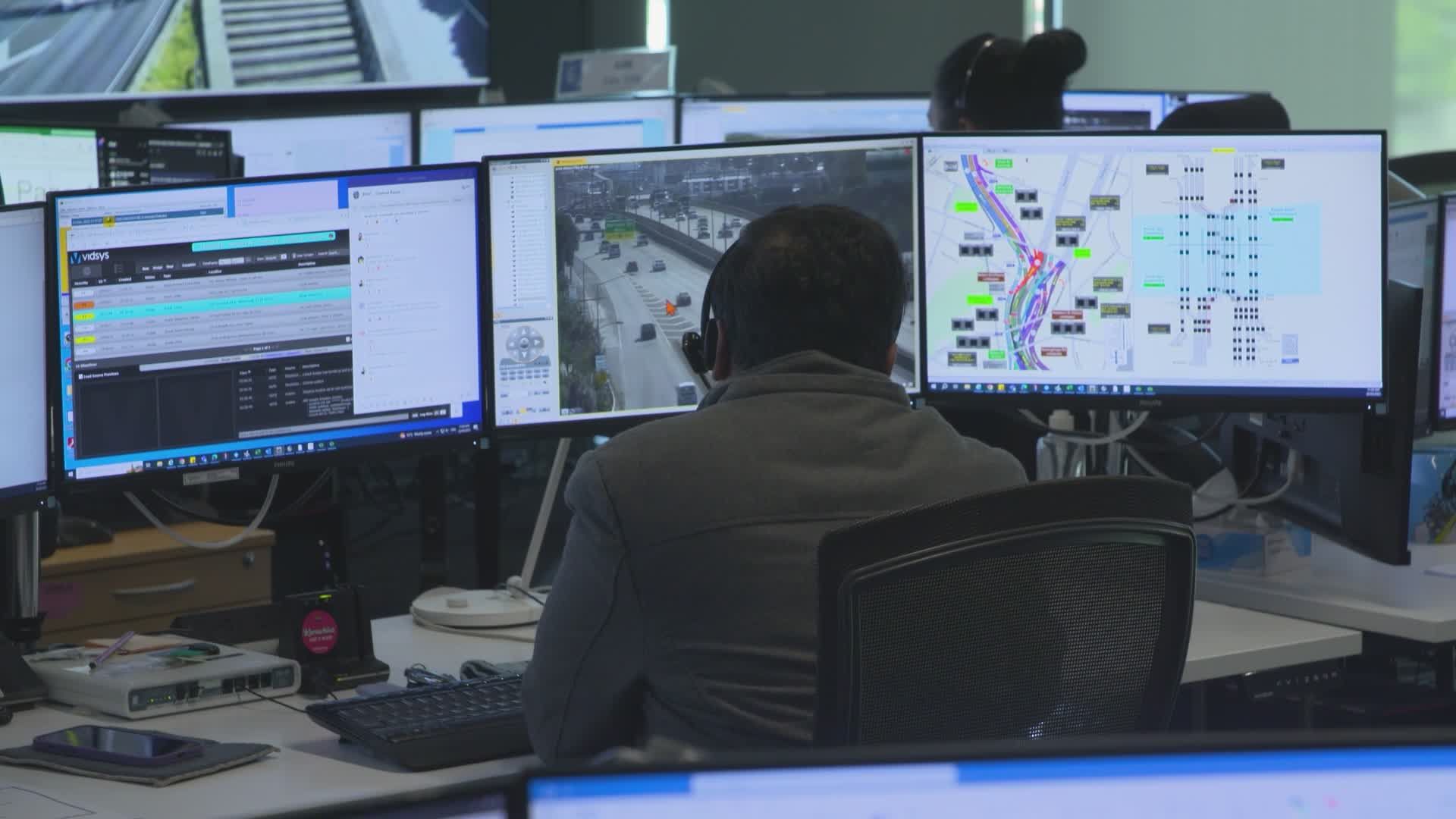
PROJECT PLANNING & TECHNICAL DETAILS
WHY THE ARCHITECTURE DIFFERS
A traditional video wall may send a PC signal through HDMI into decoders and screens. A distributed system separates source capture, network transport, output decoding and control, so the project team can assess each responsibility before installation.
WHAT TO VALIDATE
Confirm source count and signal format, display layout, resolution and refresh target, network and fiber/copper path, switch capacity, power, physical access, user roles, content/control workflows and acceptance tests. Remote or cloud access is a deployment decision, not a default promise.
Send your target market, quantity, installation conditions and assembly plan. We will review configuration, samples, documentation and production responsibilities before quotation.
DISCUSS YOUR DISPLAY PROJECT →MANUFACTURING THAT FITS YOUR PROJECT
Choose the manufacturing route after the product specification, local assembly capability and quality responsibilities are reviewed.